
What ADHD-Friendly Parenting Techniques Can I Learn?
A clinician's honest guide for parents of kids ages 6–12 who want to know how to best support their ADHD child.
If you've ever found yourself cycling through the same battles with your ADHD child:
Homework that feels chaotic
Morning routines where you’re always late
Transitions that aren’t smooth
And you find yourself wondering why nothing seems to stick, you are not failing as a parent. You're parenting a brain that works differently. And that means the tools need to be different too.
In my work as a psychologist specializing in attention and focus challenges, I see the same exhaustion in families again and again. Not because parents aren't trying hard enough. They're trying incredibly hard. It's that most parenting advice was designed for neurotypical brains. When you apply it to an ADHD brain, it often backfires.
So let's talk about what actually works for parenting an ADHD child.

First: The Discipline Trap
The biggest mistake I see parents make, and I say this with so much compassion because it makes complete sense, is over-relying on discipline and punishment to change ADHD behavior.
When your child forgets their backpack for the fifth time, ignores instructions they heard clearly, or melts down over what seems like nothing, it looks like defiance. It feels like a choice. So we respond with consequences: privileges removed, voices raised, punishments assigned.
Here's what I need you to hear: ADHD is a difference in executive function and the brain's ability to manage time, regulate emotions, plan ahead, and follow through. Consequences require a child to connect future outcomes to present behavior. When the executive function system is underdeveloped, adding more consequences rarely builds that skill because ADHD kids have a challenge with connecting their current behavior to future consequences.
Even for kids without ADHD, we know that consequences aren’t the most effective way of learning. That doesn't mean there are no limits or boundaries. I do recommend consequences, limits, and boundaries for very clear circumstances.
Technique #1: Visual Schedules & External Structure
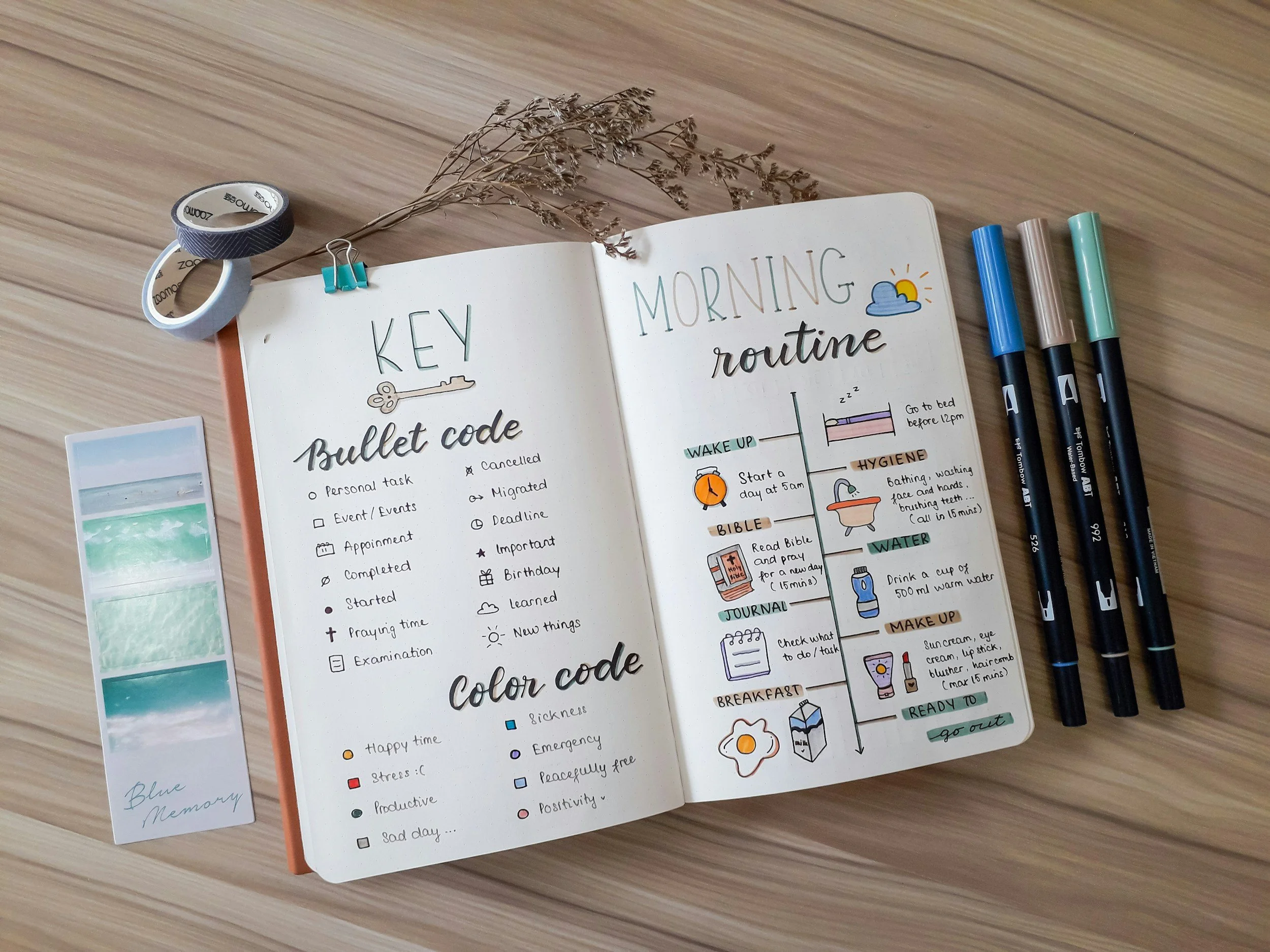
Getting your ADHD child to follow-through can be especially difficult. The ADHD brain has a weaker internal sense of time and sequence. What you (if you don’t have ADHD) carry around in your heads such as, the mental to-do list, the awareness that "after dinner comes homework then bath" doesn't come naturally for kids with ADHD.
Even if it’s the same every single day. Your ADHD child isn’t ignoring the routine. They genuinely can't hold it in their working memory the way you can.
This is where external structure becomes especially important. Instead of keeping the plan in your head and telling your child what to do next (which triggers resistance), you make the plan visible and let the schedule be their guide.
What this looks like in practice:
A simple after-school visual chart on the fridge with 4–5 steps using pictures or icons (snack → movement break → homework → free time → dinner)
A morning checklist your child can reference as they do their routines.
Visual timers (like a Time Timer) so your child can literally see time passing, not just hear "five more minutes"
Consistent anchors such as the same location for backpacks, shoes, homework folders every single day
Keep schedules short and visual. A list of 12 steps is as good as no list for a kid with ADHD. Aim for 5 or fewer per routine, and use visuals whenever possible.
Technique #2: Reframing & Strengths-Based Language

By the time many families reach out to me, their child has already developed a story about themselves. It usually sounds something like: "I'm bad at school." "I can't do anything right." "I'm the problem kid."
This is one of the most heartbreaking parts of ADHD that doesn't get talked about enough. Kids with ADHD receive, on average, significantly more negative feedback from adults by the time they reach elementary school than their peers.
Reframing doesn't mean pretending the challenges of ADHD aren't real. It means deliberately and consistently narrating your child's strengths back to them, especially in the moments when the ADHD traits are showing up most loudly.
Reframes that I use with families:
"You can't sit still" → "You have incredible energy. Let's figure out where to put it right now."
"You are always interrupting" → "It’s challenging for you to wait."
"There’s always a meltdown" → "It was really frustrating for you when things didn’t go according to what you expected"
There is real research behind the connection between a child's self-concept and their long-term outcomes with ADHD. A child who believes they are capable, even when things are hard, persists differently than an ADHD child who feels like there is something wrong with him.
Technique #3: The Power of Previewing

This is the technique I talk about constantly with families, and it's the one I see missing most often, even in the advice from other clinicians and parenting coaches.
Previewing means preparing your child for what's coming before it happens.
ADHD brains struggle enormously with transitions and the unexpected. When a child with ADHD gets blindsided by a change in plans, a new environment, an activity that ends abruptly, they can become frustrated. What looks like a meltdown over "nothing" is often a brain that got caught off guard and didn't have the regulatory resources to cope.
What previewing looks like:
Before a birthday party: "Okay, here's what's going to happen today. We're going to Marcus's house. There will be about ten kids there. You'll know Jordan and Sam. First there's free play, then cake, then present opening. When it's time to leave, I'll give you a five-minute heads-up. It might be loud, and if you need a break, the bathroom is always an option."
Before a school morning: "After breakfast, here's the plan: shoes, backpack, coat. We leave at 8:15. Mrs. Thompson has a special project starting today and she mentioned you'll be working in small groups."
Families who start previewing consistently tell me it's one of the fastest shifts they see. It helps them and their ADHD child know what to expect in challenging situations.
Putting It All Together
These three techniques of visual structure, strengths-based language, and previewing work together in a beautiful way. You don't need to implement all of this at once in order to be successful. The most successful families start by picking one skill and starting small. After they’re able to adjust the way they utilize that skill, then they can become more successful in other areas of their child’s life.
A Note to You, the Parent
The fact that you're reading this article already tells me something about you: That you're searching, that you care, that you haven't given up on finding a better way for supporting your ADHD child. That matters more than you know.
ADHD parenting is genuinely hard. It asks more of you than most parenting books prepare you for. But it also offers something extraordinary: a front-row seat to a kid whose brain, when supported well, can do remarkable things.
I hope that these concrete skills will help your family feel calmer and ready to tackle the day.
Ready to Go Deeper?
These techniques are just the beginning. If you want a structured, step-by-step approach to parenting your ADHD child with more confidence and less conflict, my ADHD Parenting Course was built exactly for you.
Inside Connected & Practical Parenting, you'll learn:
How to build routines that actually stick for ADHD brains
Six in-depth modules including a full module on building your child's self-esteem
Demonstration-based content so you see exactly how to do it — not just what to do
Tools you can use starting today, with a family that looks like yours